

Ayodhya – Birthplace of Lord Rama & Sacred Spiritual City of India
About Ayodhya – Birthplace of Lord Rama & Sacred Spiritual City of India
Discover what makes this destination special
Ayodhya is one of the most sacred cities of India. It represents an unbroken line of religious and historical service stretching back thousands of years. Today, Ayodhya rests peacefully along the banks of the sacred Saryu River in Uttar Pradesh, and around the world, Ayodhya is known as being the birthplace of Lord Rama, the seventh manifestation of Lord Vishnu. Furthermore, its written origin goes back thousands of years, as Ayodhya is found throughout ancient manuscripts and descriptions of the Hindu religion.
Ayodhya has appeared extensively throughout the Ramayana, Skanda Purana, and in many other ancient records, and is considered one of the Sapta Puri ("seven cities") from which one can attain liberation. Additionally, significant development projects have taken place in Ayodhya in the last decade, and a temple, called "Shri Ram Janam Bhoomi," has opened in 2018, which has made Ayodhya one of the most rapidly expanding pilgrimage destinations globally.
Ayodhya’s Spiritual and Religious Significance
Ayodhya is the name of a town; it comes from the name of a king named Ayud, who was an ancestor of Lord Rama. The ancient kingdom of Kosala was located here, and therefore, Ayodhya was once the capital of Kosala.
As per Hindu tradition, Lord Rama ruled Ayodhya, a sacred city, according to the principle of "Rama Rajya" (Rama's Kingdom) and laid down the ideals of justice, duty and compassion.
The Valmiki Ramayana, one of the world's greatest epics, is thought to have been written in Ayodhya or nearby. Ayodhya is the place where Lord Rama's born, where he returned victoriously from defeating Ravana, and where the Deepotsav (Diwali) festival is celebrated to mark the victory of good over evil.
Ayodhya Beyond Hinduism: Jainism, Buddhism, and Sikhism
Jains also have a strong attachment to Ayodhya as it is the birthplace of five Jain Tirthankaras, including Rishabh Natha (Adinath). Jain temples and pilgrimage centres are plentiful in the city.
Even though the city had strong ties to Jain culture, it also received the impact of Buddhism during the Maurya and Gupta periods, with many remnants of this time in the form of Buddhist stupas and monasteries. In addition, Guru Nanak Dev Ji visiting Ayodhya further enriched the city's multi-faith spiritual significance.
Modern Development and Infrastructure Growth in Ayodhya
Ayodhya has served as an important cultural and religious centre throughout history, as it has passed through many dynasties, such as the Ikshvaku rulers, Gupta Empire, Mughal Empire and even with the establishment of Lucknow and Kanpur as political capitals. The city's religious significance continued despite the decline of political importance.
Ayodhya’s Rich Historical and Cultural Heritage
Although Ayodhya is one of the densest religious landscapes in all of India, it could easily become a tourist destination as it boasts over 300 places of worship that include temples, ghats (also referred to kunds), and sacred spaces. The recent conservation and corridor construction projects have enhanced Ayodhya's ancient glory, while adapting the city to accommodate contemporary urban development and design.
Key Points of Interest and Attractions to Visit in Ayodhya
| Places to explore | ||
|---|---|---|
| Lord Ram Temple | Tulsi Smarak Bhawan | Suraj Kund |
| Ramkot | Saryu River | Ram Katha Museum |
| Kanak Bhawan | Gurudwaras | Queen - Heo Memorial Park |
| Hanuman Garhi | Treta-Ke-Thakur | Ghats and Kunds |
| Mani Parvat | Chhoti Devkali Temple | Bharat Kund - Nandigram |
| Shri Nageshwarnath Temple | Ram Ki Paidi | |
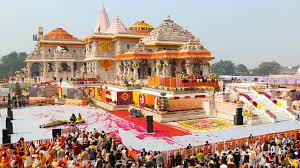
Shri Ram Janmabhoomi Temple
The central spiritual focal point of Ayodhya and among the most frequented religious places on a global scale since it was built. Each year millions of pilgrims travel here for darshan.
Hanuman Garhi
The ancient fort-temple that is now home to the holy idol of Lord Hanuman seated in Mother Anjani's lap. Pilgrims believe that a trip to Ram Temple darshan would be incomplete without visiting Hanuman Garhi.
Kanak Bhawan
The breathtaking temple that Queen Kaikeyi presented to Goddess Sita contains some of the most beautiful representations of Lord Rama and Sita that one could ever hope to see.
Treta Ke Thakur (Treta Ka Mandir)
Treta Ke Thakur is believed to be the place where Lord Rama performed the Ashvamedha Yagna.
Shri Nageshwarnath Temple
Shri Nageshwarnath Temple is affiliated with Kush, the son of Lord Rama, and has tremendous significance as a Shaivite shrine.
Ram Ki Paidi & Saryu Ghats
Ram Ki Paidi and Saryu Ghats are sacred bathing locations located along the Saryu River and are alive with activity during festivals, such as Deepotsav and Kartik Purnima.
Tulsi Smarak Bhawan & Ram Katha Museum
Tulsi Smarak Bhawan and the Ram Katha Museum have both been established to honour the life of Goswami Tulsidas and the tradition of storytelling of Lord Rama's life.
Additional Important Places
- Mani Parvat
- Chhoti Devkali Temple
- Bharat Kund (Nandigram)
- Suraj Kund
- Queen Hyo Memorial Park
- Gurudwaras / Jain Temples
Festivities & Cultural Life:
The city shines brightest during Festival Season.
- Deepotsav – Guinness World Records recognition for lighting over 22 million diyas
- Ram Navami
- Shravan Month
- Kartik Purnima
As per the Indian Government’s Ministry of Tourism data of 2024, Ayodhya received 50 million visitors, and estimates suggest Ayodhya will exceed 100 million visitors per year by 2026 due to increased religious tourism due to festivals.
Best Times to visit Ayodhya:
- October to March is the best time to visit Ayodhya in terms of good weather and also for site seeing and visiting temples
- April to June is very hot, but very manageable for early morning temple visits,
- July through September is very picturesque and humid.
Ayodhya Tourism Growth Statistics:
- Uttar Pradesh welcomed 65 crores (650 million) tourists in 2024 (MoT, UP Tourism).
- Ayodhya has experienced over 25 times growth in tourist footfalls since 2017.
- Religious tourism generates an annual contribution of ₹1.2 Lakh crore (1.2 trillion) to the Indian economy (NCAER).
- Investments in infrastructure from PRASHAD & Ram Mandir Corridor exceed ₹4.0K crore.
- Largest Display of Oil Lamps: A staggering 2,617,215 (over 26 lakh) diyas were lit simultaneously across 56 ghats of the Saryu River. This surpassed the 2024 record of 25.12 lakh lamps.
- Largest Group Aarti (Most People Performing Diya Rotation): A record was set by 2,128 Vedacharyas (priests and scholars) who performed the Maha Aarti simultaneously on the banks of the Saryu River.
- Scale of Execution: The event involved over 30,000 volunteers and used approximately 73,000 liters of mustard oil, with the entire counting process being verified with the help of high-tech drones and AI-based software.
Conclusion
Ayodhya not only serves as a spiritual destination but has now become an added international level destination that combines ancient traditions with new-age technologies. There are many types of experiences to choose from, whether you want to fulfil your religious obligation, learn more about culture, or visit historical sites. All provide a combination of elements that can change who you are inside.
Holy Voyages – Create your Spiritual Trip
Visit the most holy places in India with beautifully designed Religious Tours India 2026. Each Tour is designed to be comfortable, easy to access and completely authentic. From immersive Festival pilgrimages to complete Ayodhya religious tours, Holy Voyages will make sure you have a meaningful travel experience no matter what your age is. Our specialty areas include Accessible holy sites travel India, Comfortable Lodging, Professional Guides, and Customized Itineraries. No matter whether you are visiting Ayodhya for Ram Janmabhoomi darshan or traveling the holy circuit of sites throughout India, Holy Voyages will help make your trip smooth and meaningful.
Major festivals like Ram Navami, Deepotsav, and Kartik Purnima also attract large numbers of pilgrims.
April to June is very hot, but very manageable for early morning temple visits
- Air -Maharishi Valmiki International Airport
- Railways - Ayodhya Junction (AY) and Faizabad Junction (FD)
- National highways linking major cities like Lucknow, Varanasi, Prayagraj, and Delhi.
- Morning Darshan: 7:00 AM – 12:00 PM (Temple opens at 6:30 AM/7:00 AM)
- Afternoon Break: 12:00 PM – 1:00 PM (Closed for Bhog and rest)
- Evening Darshan: 1:00 PM – 9:15 PM
Read More : Ayodhya Ram Mandir Opening & Closing Time
- i. Holy Voyages
- ii. Car Rental in Varanasi
- iii. Spiritual tour
- iv. Heritage walks
- v. Buddhist tour in India
Holy Voyages offers specialized 'Ramayana Circuit' tours where our expert guides narrate the deep theological and historical journey of this sacred site.
Don't miss the divine Aarti. We help our patrons navigate the booking process and organize itineraries that align perfectly with your preferred prayer timings.